Modern military operations rely on a diverse fleet of combat aircraft, support platforms and uncrewed systems. Reports emerging from Operation Epic Fury provide an insight into the range of U.S. aircraft reported lost or damaged during operations involving Iran.
On 28 February 2026, the United States, in coordination with Israel, launched military operations against Iran under the designation Operation Epic Fury (OEF). The ensuing conflict involved air, maritime and missile engagements across the Middle East.
Although the intensity of combat activity declined following a ceasefire in April, strikes resumed within weeks and the situation remained fluid.
On 14 September 2026, the U.S. Department of Defense Office of Inspector General published its first Lead Inspector General report on Operation Epic Fury, covering activities between 1 April and 30 June 2026.
The report, together with subsequent media reporting and statements by U.S. military authorities, provides information on aircraft losses and damage sustained during the operation.
A Congressional Research Service report published in October compiled reports of 81 fixed-wing and rotary-wing aircraft, including uncrewed aircraft systems (UAS) that had reportedly been lost or damaged since the start of the operation.
The figure includes aircraft in different circumstances. Some were destroyed, others crashed or were shot down, while several sustained damage on the ground or during flight. Some damaged aircraft may subsequently have returned to service.
The figures remain subject to revision as further information becomes available.
Reported aircraft losses and damage
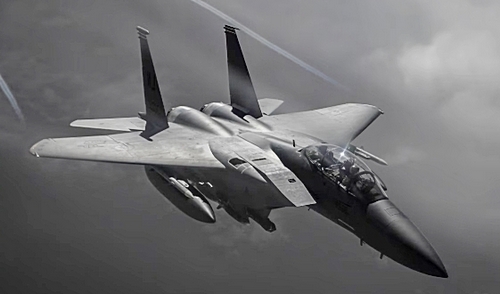
F-15E Strike Eagle - 12 aircraft reported lost or damaged
The F-15E Strike Eagle is a twin-engine, multirole fighter designed to conduct air-to-air and air-to-ground missions.
On 2 March 2026, U.S. Central Command (CENTCOM) reported that three F-15Es had been destroyed in a friendly-fire incident over Kuwait.
On 5 April, CENTCOM reported the loss of another F-15E over Iran.
Further reports published on 9 and 10 September stated that eight F-15 aircraft had sustained light damage during an Iranian strike on Muwaffaq Salti Air Base in Jordan. The aircraft were reportedly returned to service.
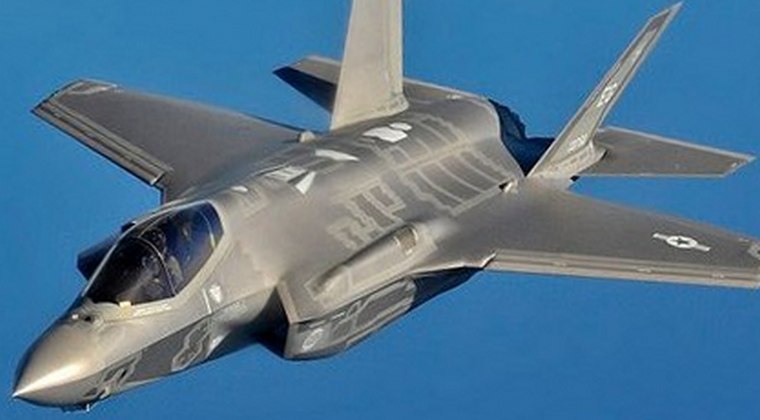
F-35A Lightning II - One aircraft reported damaged
The F-35A is the conventional take-off and landing variant of the fifth-generation Lightning II stealth fighter.
An article published on 19 March 2026 reported that an F-35A had sustained damage from Iranian ground fire while operating over Iran.
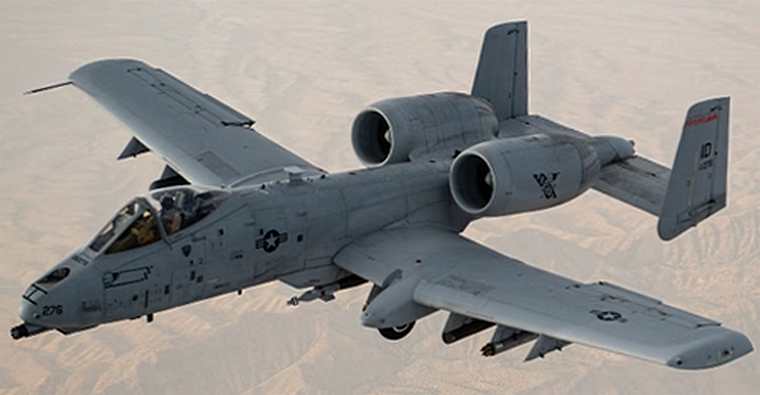
A-10 Thunderbolt II - Two aircraft reported lost or damaged
The A-10 Thunderbolt II, commonly known as the Warthog, was developed primarily for close air support and attacks against ground targets.
On 6 April 2026, U.S. Air Force General Dan Caine, Chairman of the Joint Chiefs of Staff, stated that an A-10 had been struck by enemy fire before crashing and being destroyed.
Reports published on 9 and 10 September indicated that a second A-10 had been severely damaged during an Iranian strike on Muwaffaq Salti Air Base in Jordan.
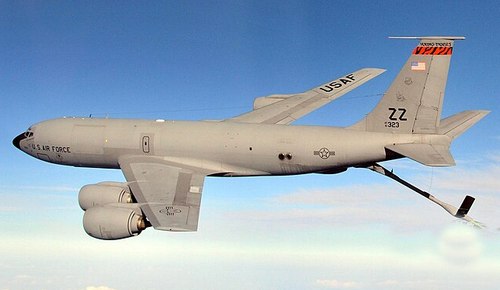
KC-135 Stratotanker - Seven aircraft reported lost or damaged
The KC-135 Stratotanker plays a vital supporting role in U.S. air operations, providing aerial refuelling that enables combat aircraft to remain airborne for longer periods and operate over greater distances.
On 12 March 2026, CENTCOM reported an incident involving two KC-135 aircraft. One crashed in Iraq, killing all six crew members aboard, while the second made an emergency landing.
An article published on 14 March reported that five additional KC-135s had been damaged on the ground during an Iranian attack on Prince Sultan Air Base in Saudi Arabia.
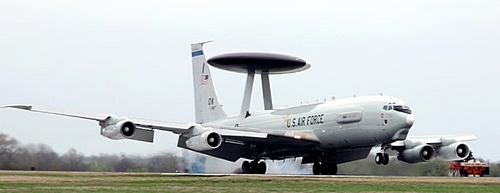
E-3 Sentry - One aircraft reported damaged
The E-3 Sentry airborne warning and control system (AWACS) aircraft provides airborne surveillance, command and control, and the coordination of air operations.
An article published on 28 March 2026 reported that an E-3 had been damaged at Prince Sultan Air Base in Saudi Arabia. A further report published on 15 September stated that the aircraft had sustained a direct hit.
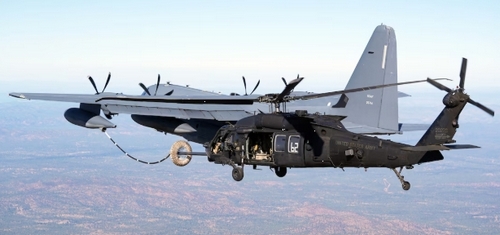
MC-130J Commando II - Two aircraft reported destroyed
The MC-130J Commando II is a special operations aircraft used for missions that include the infiltration and extraction of personnel, specialised transport and support for special operations forces.
According to an article published on 5 April 2026, two MC-130J aircraft supporting search-and-rescue operations for a downed F-15E were deliberately destroyed during the mission.
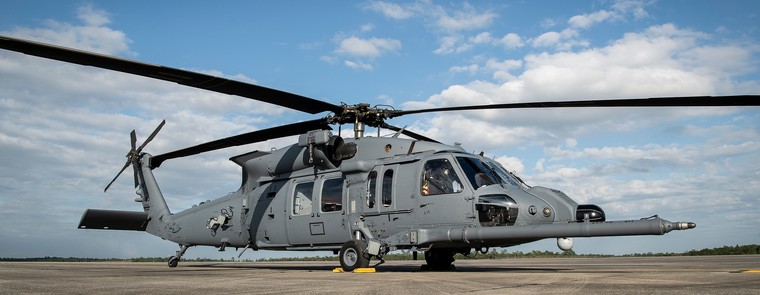
HH-60W Jolly Green II - One helicopter reported damaged
The HH-60W Jolly Green II is a combat search-and-rescue helicopter designed to recover personnel from hostile or challenging environments.
On 6 April 2026, General Caine stated that an HH-60W had sustained damage while supporting search-and-rescue operations for the downed F-15E in Iran.
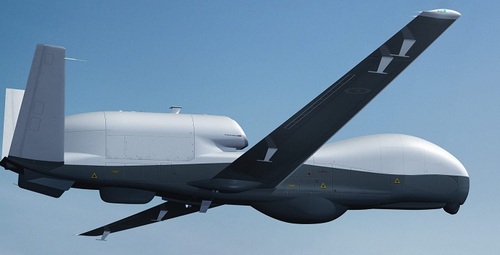
MQ-4C Triton - One uncrewed aircraft reported lost
The MQ-4C Triton is a high-altitude, long-endurance maritime surveillance aircraft designed to provide persistent intelligence, surveillance and reconnaissance over extensive areas.
An article published on 14 April 2026, citing a U.S. Navy document, reported that an MQ-4C had been lost in an accident.
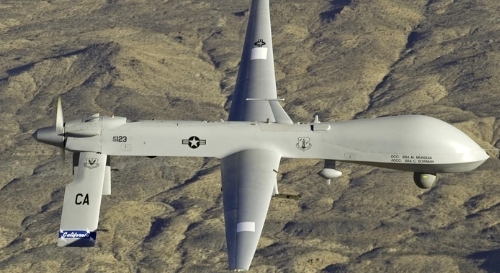
MQ-1 series - Three uncrewed aircraft reported lost
The MQ-1 series of uncrewed aircraft includes remotely piloted platforms used for surveillance and, depending on the variant, strike missions.
On 31 May 2026, CENTCOM reported that Iran had shot down a U.S. MQ-1 drone.
A further report published on 17 September, citing U.S. officials, stated that at least two additional MQ-1 aircraft had been shot down in the preceding days.
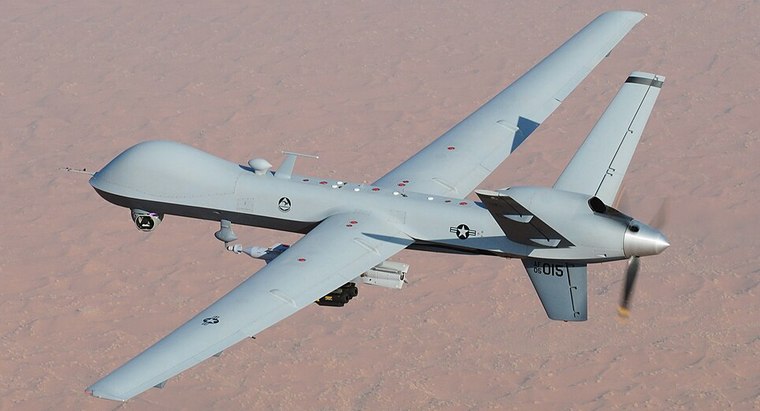
MQ-9 Reaper - At least 45 uncrewed aircraft reported lost
The MQ-9 Reaper is a remotely piloted aircraft used for intelligence gathering, surveillance, reconnaissance and precision-strike missions.
An article published on 13 August 2026, citing three U.S. officials, reported that the U.S. military had lost at least 45 MQ-9 Reapers during operations against Iran.
The reported figure made the MQ-9 the largest single aircraft category in the compiled list of losses and damage.
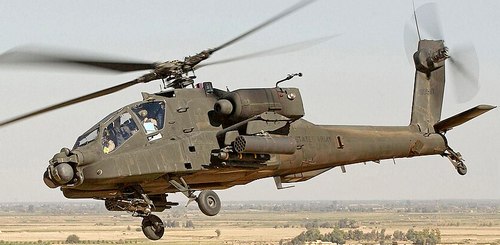
AH-64 Apache - One helicopter reported shot down
The AH-64 Apache is a twin-engine attack helicopter designed to provide armed reconnaissance and direct support to ground forces.
The Lead Inspector General report published on 14 September 2026 recorded that an AH-64 helicopter had been shot down over the Strait of Hormuz.
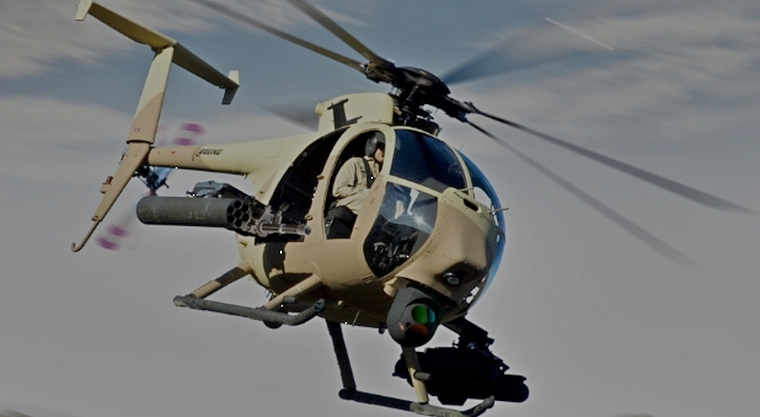
AH-6 Little Bird - Four helicopters reported destroyed
The AH-6 Little Bird is a light attack and reconnaissance helicopter used by U.S. special operations forces.
According to the 14 September Lead Inspector General report, U.S. forces destroyed four AH-6 helicopters during rescue operations.
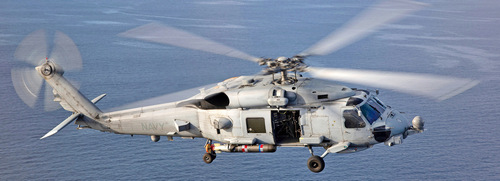
MH-60 Sea Hawk - One helicopter reported lost
The MH-60 Sea Hawk is a naval helicopter family used for a range of maritime missions, including transport, logistics, surveillance and other specialist operations.
The Lead Inspector General report of 14 September 2026 recorded that an MH-60 helicopter had crashed over the Arabian Sea.
A diverse fleet supporting modern air operations
The aircraft identified in the reports represent a broad cross-section of U.S. military aviation. They include frontline fighters, ground-attack aircraft, aerial refuelling tankers, airborne surveillance platforms, special operations aircraft and helicopters, as well as uncrewed systems.
Each fulfils a different role in supporting a modern military campaign. Fighters provide combat capability, tankers extend the reach of other aircraft, surveillance platforms gather and distribute information, and helicopters and special operations aircraft support personnel recovery and specialised missions.
The reported incidents also illustrate the variety of circumstances in which military aircraft may be lost or damaged, from airborne engagements and accidents to attacks on aircraft stationed at air bases.
The figures compiled by the Congressional Research Service are based on a combination of official statements, government reporting and media accounts. They should therefore be regarded as a compilation of reported incidents rather than a final, independently verified inventory of aircraft losses.
As further information becomes available, the number and status of the aircraft involved may change.
Source
Congressional Research Service (CRS), U.S. Aircraft Combat Losses in Operation Epic Fury: Considerations for Congress, IN12692. Published on Congress.gov, the official website of the U.S. Congress.
AirVenture Oshkosh 2024 Heavy Metal at Boeing Plaza 657